

Unlock Denver’s Climate Secrets: Protecting Popular Home Substrates
Denver’s Extreme Climate and Your Home Exterior: What You Need to Know
Denver, known for its picturesque landscapes and vibrant city life, also boasts a climate that can be as challenging as it is beautiful. The city’s unique weather patterns, characterized by intense sun, sudden hailstorms, and heavy snowfall, can take a toll on the exteriors of homes. Understanding the Denver Climate and the best practices for protecting your home can save you time, money, and ensure your home remains in top condition year-round.
The Challenges of Denver’s Climate
Denver’s climate is a mixed bag of extreme weather conditions, each presenting its own set of challenges for home exteriors:
- Intense Sunlight: Denver enjoys more sunny days than Miami Beach, but with that comes the challenge of UV damage, which can fade and degrade many exterior materials.
- Sudden Hailstorms: The city is no stranger to hail, which can suddenly appear during the warmer months, causing significant damage to roofs, siding, and windows.
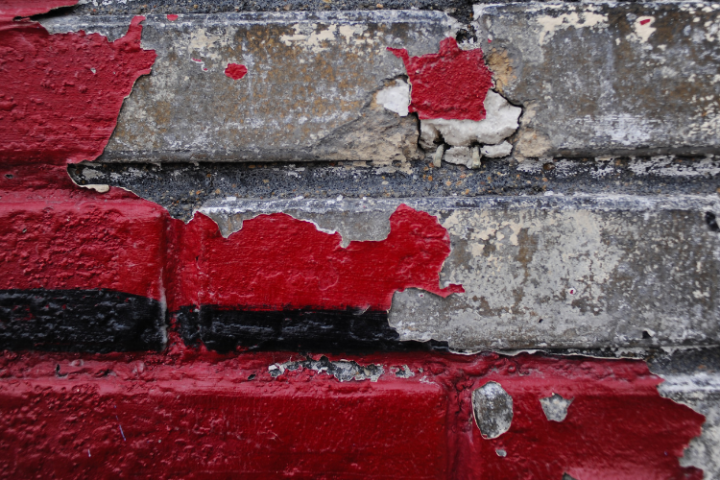
- Heavy Snowfall: Winters bring heavy snow that can accumulate, leading to moisture issues and structural stress on home exteriors.
- Rapid Temperature Fluctuations: Denver’s temperature can swing dramatically, which can cause materials to expand and contract, leading to cracks and other damages.
Popular Denver Home Substrates
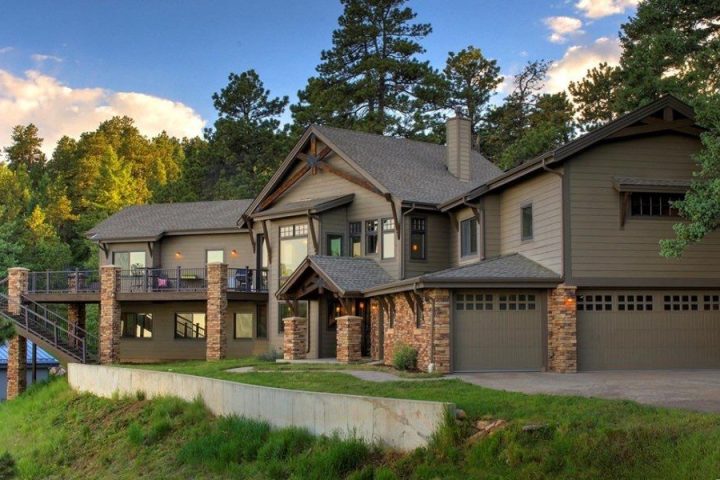
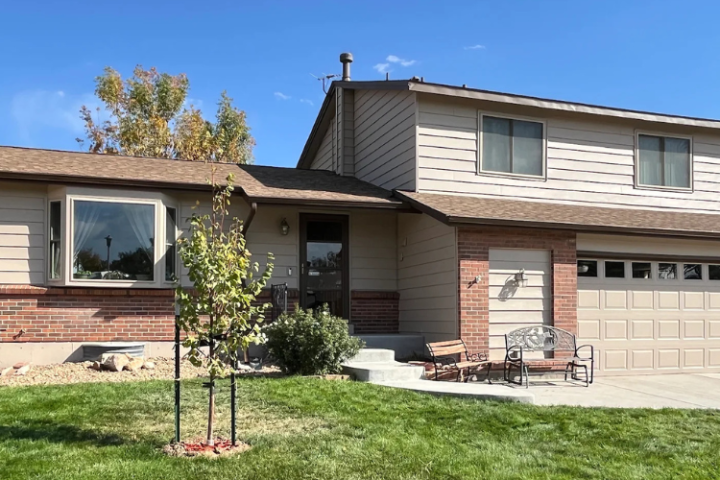
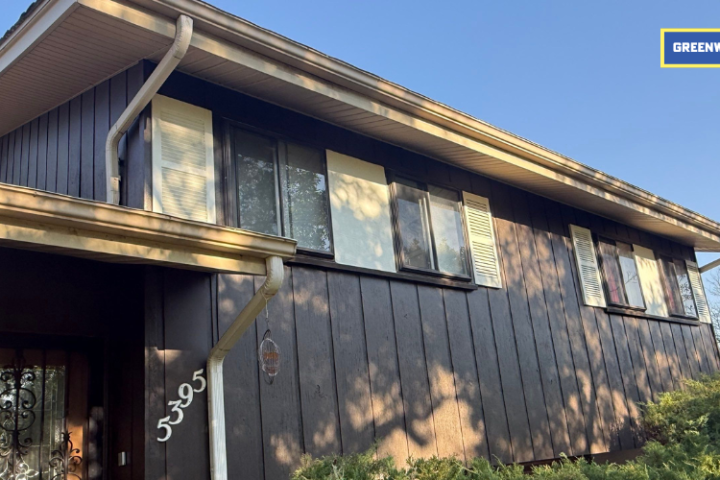
In response to these challenges, certain Denver home substrates have become popular due to their durability and resilience. These include:
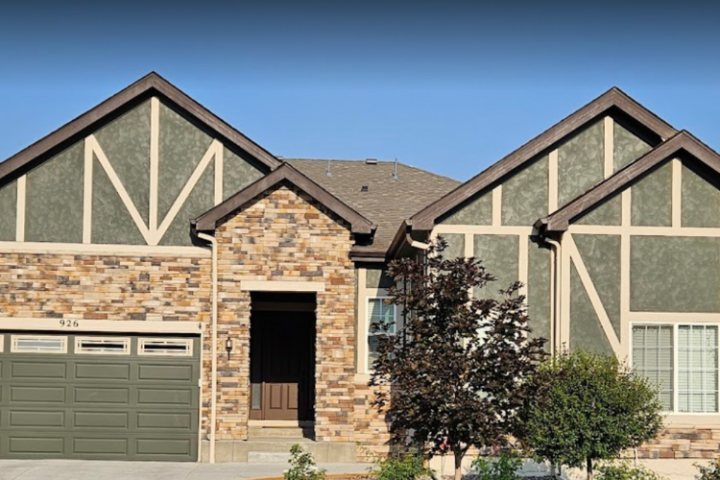
- Stucco: Known for its versatility and durability, stucco is a popular choice that performs well under the intense Denver sun and resists hail damage.
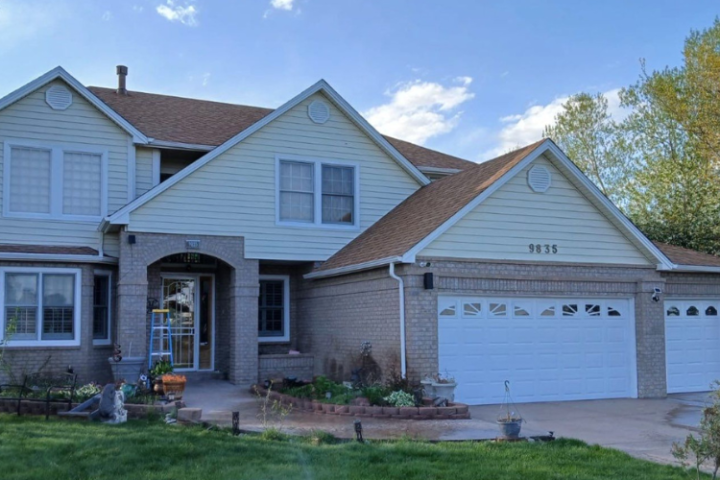
- Vinyl Siding: Affordable and low maintenance, vinyl siding can resist hail impacts and is available in UV-resistant varieties.
- Fiber Cement Siding: This material offers the appearance of wood but with greater resistance to fire, hail, and rot, making it an excellent choice for Denver homes.
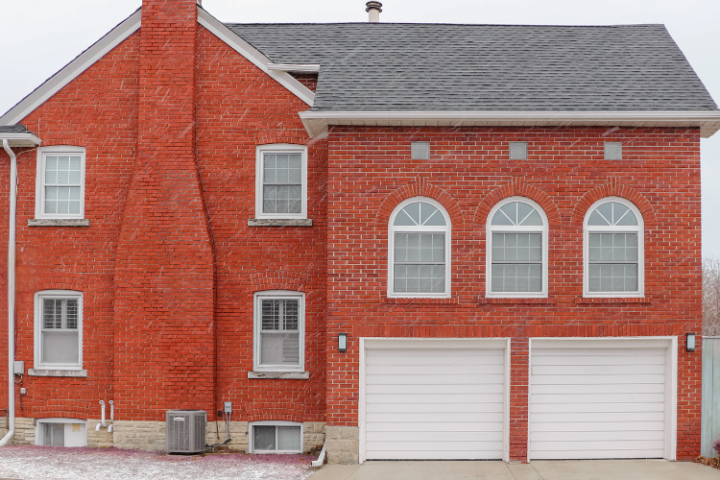
- Brick and Stone: Both materials are extremely durable and offer a classic look that withstands Denver’s climate challenges well.
The Benefits of Rhino Shield Protection
While traditional paint and some exterior finishes can offer a level of protection, Rhino Shield provides a superior alternative that addresses the unique challenges of the Denver climate. Here’s why Rhino Shield stands out:
- UV Resistance: Rhino Shield’s ceramic coating is designed to reflect UV rays, significantly reducing the fading and degradation caused by intense sunlight.
- Durability: Unlike traditional paint, Rhino Shield creates a breathable, yet durable barrier that can withstand the expansion and contraction caused by Denver’s rapid temperature changes.
- Impact Resistance: The elasticity and thickness of Rhino Shield coating provide an added layer of protection against hail and other impacts.
- Moisture Resistance: Rhino Shield also helps prevent moisture penetration, a crucial feature for preventing damage during Denver’s heavy snowfalls.
While Rhino Shield may represent an upfront investment, its long-term benefits of durability, protection, and aesthetic appeal make it a wise choice for Denver homeowners looking to protect their investment against the city’s extreme climate.
Conclusion
Denver’s beautiful yet challenging climate necessitates a proactive approach to home exterior protection. Understanding the Denver climate and selecting the right Denver home substrates are the first steps in safeguarding your home. Incorporating Rhino Shield into your home’s exterior protection strategy offers a robust solution that addresses the unique environmental stresses faced by Denver homes. With its superior durability, UV resistance, and moisture protection, Rhino Shield not only enhances your home’s resilience against the elements but also maintains its aesthetic appeal, making it a smart investment for any Denver homeowner.
Protect your home from Denver’s extreme climate today! Learn what you need to know about safeguarding your home’s exterior against unpredictable weather. Click here for more information and to get a quote: Get Your Quote Now.